- Budgeters Anonymous
- Posts
- Is Gas Being Watered Down?
Is Gas Being Watered Down?
And.. Frugal Tips, Money News and More!

Daniel Brigham
April 07, 2026
TL;DR
Is Gas Being Watered Down?
There Might Be Money Companies Owe You.. Actually!
Is Grad School The Right Way To Increase Income?
Frugal Tip of the Week
Money Trends
Is Gas Being Watered Down??
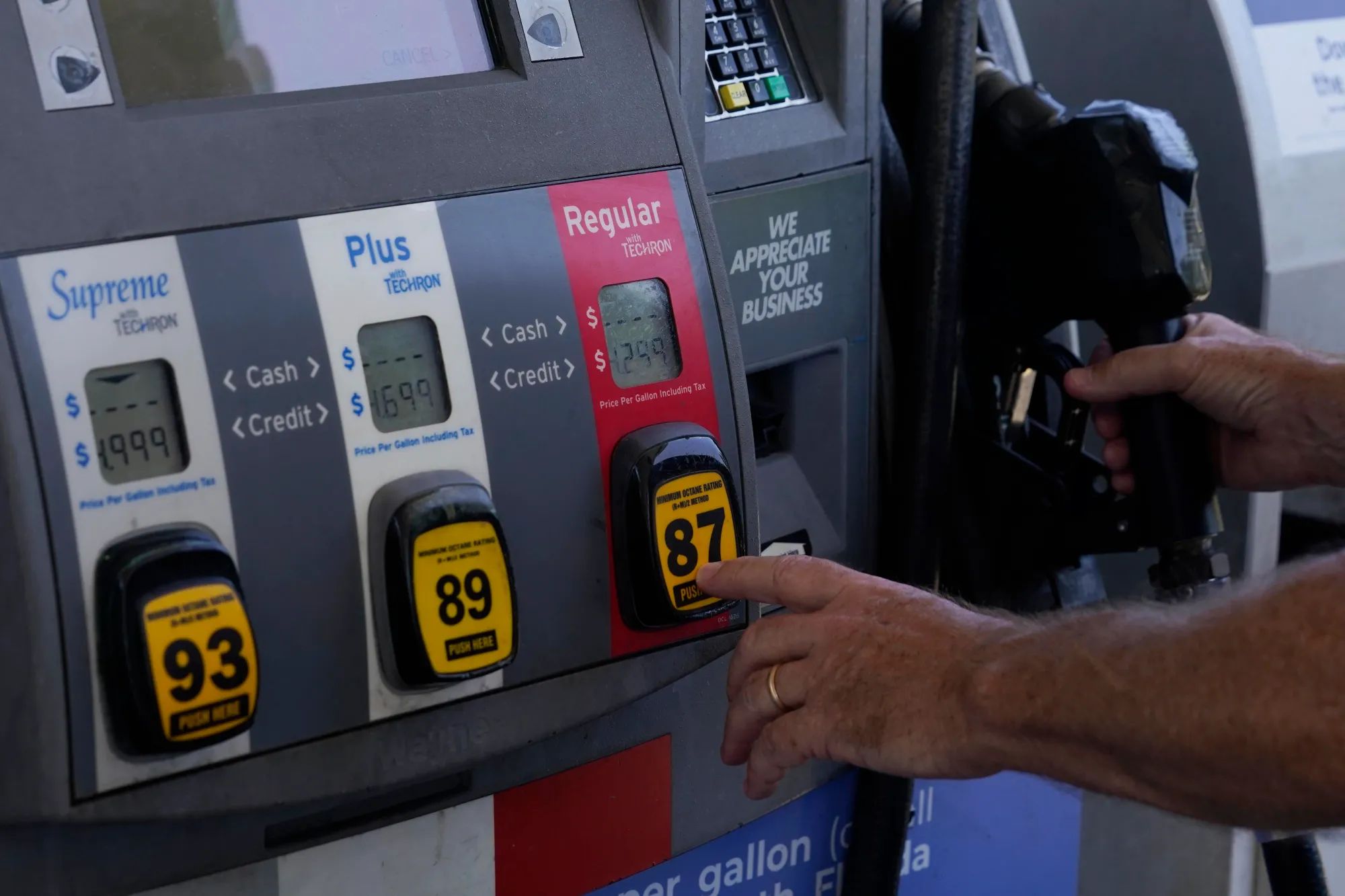
Gas Prices Are Surging and Quality is Diminishing
Gas prices are getting out of control. Crude oil prices have jumped over $100 a barrel due to the ongoing conflict in the Middle East, disrupting transit through the Strait of Hormuz.
You may start seeing a cheaper fuel option at the pump this summer, but before you reach for it, here's what you should know.
Starting May 1, the EPA is allowing broader sales of E15, a blend of 85% gasoline and 15% ethanol.
It's typically 10–25 cents cheaper per gallon than standard gas, which sounds like an easy win when prices are already high. But the savings are largely an illusion.
Ethanol contains less energy per gallon than gasoline, meaning your engine has to burn more fuel to go the same distance.
Most drivers can expect 1–2% fewer miles per gallon, and that adds up. You're not actually saving money so much as paying less per gallon for fuel that doesn't go as far. You'll just be stopping at the pump more often.
And for older vehicles, the problem goes beyond mileage. Ethanol can separate from the fuel over time, breaking down into a sludge that damages carburetors and fuel systems.
Seals and rubber components degrade, injectors clog, and carburetors corrode, repairs that can easily run into hundreds of dollars.
It's also often sold under the name "Unleaded 88" rather than being clearly labeled as E15, so many drivers won't even realize what they're pumping.
If you see that label, now you know what it means, and you can decide if the few cents in savings are actually worth it.
Stat Of The Week:
️ 14.4: The average number of years it takes someone in the United States to save a 10% down payment on a home. Iowa citizens have the easiest time (8.7 years on average), while Californians struggle (25.1 years).
Money In Real Life
You Might Have Money Sitting Out There and Not Know It
This one's worth 5 minutes of your time, because there's a real chance someone owes you money.
More than 30 million Americans have unclaimed property waiting to be collected, and over $4 billion gets returned to its rightful owners every year.
That money comes from old bank accounts, forgotten insurance policies, uncashed checks, tax refunds, and more, all sitting with state or federal agencies until someone comes looking.
The good news: searching is completely free. Most states have their own unclaimed property websites, and MissingMoney.com — run by the National Association of Unclaimed Property Administrators — lets you search multiple states at once.
Worth checking, especially if you've moved around over the years, since funds are held by the state where the company was located, not necessarily where you lived.
One important heads-up: when you go to actually claim money, only submit your personal information, including your Social Security Number, directly through official government websites. Skip any third-party sites that offer to help, and go straight to the source.
Seriously, go check. It takes two minutes and the upside could be a nice surprise.

What if term life insurance didn’t cost a fortune?
Term Life Insurance starts at just $19 a month
Coverage options range from 10–30 years with up to $3M in coverage on most products.
Parent Financial Tips
Before You Sign Up for That Grad Program, Read This

If you've been thinking about going back to school to boost your career, you're not alone. But a new study might make you think twice before hitting "apply."
Economists at Yale and Vassar analyzed graduate degree returns across 18 of the most popular programs and found something that should give you pause:
The average grad program only raises your earnings by about 17%.
That sounds decent, until you factor in tuition costs and the income you give up while you're in school. Once you run those numbers, a lot of degrees stop making financial sense.
Some programs still deliver real value. Medicine, pharmacy, and law showed strong lifetime returns even after costs.
But those are the exceptions.
Social work, clinical psychology, and even MBAs? Much smaller gains.
A master's in psychology, for example, bumps annual income by roughly $16,000, but after accounting for what you paid and what you missed out on earning, the lifetime return is actually -8%.
You'd come out behind. Engineering degrees, which sound like a safe bet, only returned 2–4% after costs.
Here's what makes this especially tough: most people finance these degrees. So you're not just getting a modest return, you're paying interest on a loan to get that modest return.
So what should families do if they want to increase their income?
Skills-based credentials. Certifications in project management, cybersecurity, cloud computing, or financial licensing cost a fraction of a graduate degree and plug directly into fields with real upward mobility.
The goal isn’t to just learn, it’s to position yourself in an industry where the ceiling is actually high.
Additionally, some of the highest paying jobs don’t even require degrees. Social Media, Sales, and Digital Marketing are all roles that can generate some serious coin and don’t require you to shell out $100k on a degree.
In summary:
The question to ask before going back to school isn't "Will this degree help me?" It's "Does the field I'm entering have room to grow, and does this credential get me there faster than anything else?"
For a lot of popular grad programs, the honest answer is no.
I am trying to cut cost but why is my grocery expensive?
This thread starts with someone asking, “What am I doing wrong?”, and the answers hit harder than you’d expect.
From people spending $200 a week to others living on $50, the comment section turns into a brutally honest breakdown of the small habits quietly draining your wallet.
If you’ve ever felt like groceries shouldn’t cost this much… this is the reality check (and playbook) you didn’t know you needed.
That’s it for this week!
Thanks for tuning in and let me know how I can help
Reply